The Fire Risks I Didn’t Take Seriously (Until One Almost Happened)
We may earn commission from links on this page, but we only recommend products we love. Promise.
Okay, so fire safety is not sexy, but neither is your house burning down, so here we are. Some of this feels painfully obvious in hindsight, but apparently, adulthood is just discovering new ways your house can try to kill you.
Common Fire Hazards & How to Avoid Them
Faulty Wiring and Electrical Fires
Last year, I noticed that one of my outlets would feel warm. I didn't think much of it at first, I figured it was probably nothing and mentally filed it under ‘future me’s problem’, but when it happened repeatedly, I called an electrician. It turns out I was dangerously close to an electrical fire! Don't ignore any of the symptoms listed below, they should absolutely freak you out enough to call somebody.
If you're living in an older home, faulty wiring might be something you need to consider. Older homes were not built for the amount of electronics we plug in now. Over time, wires can deteriorate, increasing the risk of an electrical fire.
Signs to look for:
Flickering lights
Frequently tripping circuit breakers
Outlets that feel warm to the touch
Burning smells near outlets or light fixtures
If you notice any of these signs, it's essential to have a licensed electrician inspect your wiring ASAP. Don't ignore these warning signs. Electrical fires can escalate quickly. Also, too many high-powered appliances on a single outlet can cause overheating, so be mindful not to overload your circuits.
If you want to have your back when the unexpected hits, check out my go-to checklist, The 3-Day Emergency Kit Every Woman Needs to Have Right Now, to make sure you’re prepped because emergencies are expensive enough without realizing you forgot batteries, flashlights, and basic supplies.
Unattended Candles
Candles are one of those things everybody assumes they’re being responsible about until they leave one burning while answering a text, and suddenly an hour has disappeared. Pets, children, or even a strong draft could knock over a candle, or the flame could catch on something flammable like curtains or books.
Candle safety tips:
Never leave candles unattended in a room.
Keep them away from flammable objects like curtains, books, or furniture.
Place candles in sturdy, non-flammable holders.
Always extinguish candles before leaving a room or going to bed.

If you love candles but worry about safety, consider switching to battery-operated flameless candles. Honestly, some of the newer flameless candles look good enough now that I barely notice the difference. Here's my favorite set!
Cooking Hazards: The Kitchen Fire Risk
The kitchen is where people accidentally get way too confident. Between the splattering of oil, unattended cooking, and faulty heating appliances, the kitchen is a high-risk area.
How to reduce the risk:
Stay in the kitchen when cooking, especially when oil is involved.
Keep anything that can catch fire (like oven mitts, wooden utensils, or paper towels) away from the stovetop.
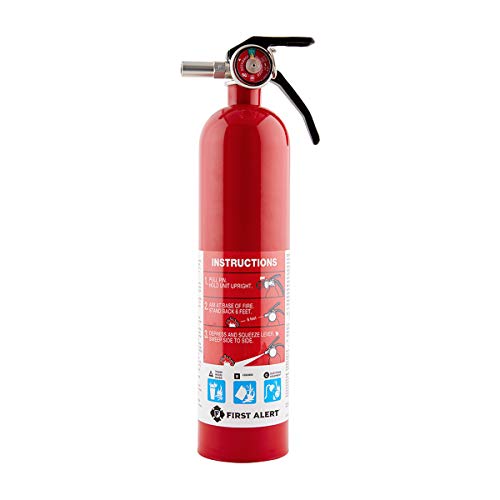
A fire extinguisher is one of those things you don’t think about until you really, really need it. Get one before that moment. Here's the one I keep in my kitchen.
Regularly clean your stovetop and oven to prevent grease buildup.
Always keep a lid nearby when frying with oil. In case of a grease fire, you should never use water. Instead, carefully slide the lid over the pan to smother the flames. Your first instinct is usually water, which is exactly what makes grease fires terrifying.
One of my worst kitchen nightmares happened when I left a pot of oil unattended for "just a second." I heard a weird noise and found the oil bubbling over, moments away from catching fire. Ever since, I never leave the kitchen when something is on the stove.
Space Heaters and Fireplaces
Space heaters are useful, but they’re also one of the easiest ways to start a fire if you get lazy with them.
Safety tips for space heaters:
Keep space heaters at least 3 feet away from anything flammable.
Always plug space heaters directly into an outlet, never an extension cord.
Turn them off before going to bed or leaving the house, even though every part of your brain wants to leave the warm cozy machine running.
Choose space heaters with safety features like automatic shut-off if they tip over or overheat.
It's important to keep fireplaces well-maintained. Have your chimney cleaned and inspected annually, and always use a screen to prevent embers from flying out. Never leave a fire unattended, and make sure it's completely out before heading to bed.
Dryers and Lint Traps
Dryers are responsible for a scary amount of house fires. Lint can easily ignite if it builds up in the dryer vent or filter.
How to avoid dryer fires:
Clean the lint trap after every load.
Regularly inspect and clean the dryer vent (at least once a year).
Don't overload the dryer, as this can cause overheating.
Never leave the dryer running when you leave the house or go to bed.
I used to be one of those people who cleaned the lint trap just occasionally, but after learning how easily lint can catch fire, I do it right on schedule. It takes just a second and is one of the simplest ways to protect your home, which somehow makes it even more ridiculous that people skip it.
Power Strips & Extension Cords
Power strips get treated like permanent solutions. They’re not.
Preventing power strip hazards:
Avoid plugging too many devices into one power strip, especially heaters, air fryers, or anything else that gets hot.
Use power strips with surge protectors.
Never daisy-chain extension cords or power strips (i.e., plugging one into another).
Replace old or damaged cords.
Extension cords are meant for temporary use only, so if you need more outlets in a certain area of your home, it's better to have an electrician install additional outlets.
Cigarettes and Smoking Materials
Falling asleep with a cigarette is still one of those unbelievably dangerous things people convince themselves won’t happen to them, but smoking-related fires are the leading cause of fire deaths in the United States.
Smoking safety tips:
If you smoke, do it outside.
Use deep, sturdy ashtrays and ensure that cigarettes are fully extinguished before discarding them.
Never smoke in bed or when you're feeling sleepy.
If you're not a smoker, it's still important to think about guests who may smoke when they visit your home. Always have a safe smoking area outside to prevent any accidents.
Holiday Hazards: Christmas Trees and Decorations
The holidays are a time for celebration, but they also bring specific fire risks into the home.
How to stay safe during the holidays:
If you have a real Christmas tree, keep it well-watered and away from heat sources.
Check your holiday lights for frayed wires or broken bulbs before putting them up.
Turn off the holiday lights before going to bed or leaving the house.
Avoid overloading electrical outlets with too many light strands or decorations.
If you prefer the look of a real tree but want to avoid the fire risk, consider switching to a high-quality artificial tree. They're far less likely to catch fire, and today's models look as good as the real thing.
Arson and External Fire Risks
Not every fire starts because somebody forgot a candle. Sometimes it’s bad luck, terrible people, or just living somewhere dry enough that one spark becomes everybody’s problem. Arson and external fires are real threats as well. Depending on where you live, brush fires or intentional arson can cause damage to your property.
How to reduce the risk:
Install security cameras and motion-activated lights around your home to deter arson.
Keep your yard free of dry brush or flammable debris.
Use fire-resistant materials for your home's exterior and roof. A defensible space around your home can help reduce the risk of external fires spreading to your property.
Keep trees, shrubs, and other vegetation trimmed back and away from your house.
Install fireproof window shutters and non-flammable fences to create a barrier between your home and any potential wildfires.
Barbecues, Fire Pits, and Grills
Outdoor fires feel safer than they are. Grills and fire pits can be particularly risky if placed too close to your home or left unattended while burning.
Safety tips for outdoor grilling and fire pits:
Always place grills and fire pits at least 10 feet away from your home or any structures.
Keep a fire extinguisher or bucket of water nearby when grilling or using a fire pit.
Never leave grills or fire pits unattended.
Clean grease and fat buildup from the grill regularly to avoid flare-ups.
Charcoal grills can be especially hazardous if the coals aren't fully extinguished. After grilling, make sure the coals are completely cool before disposing of them in a metal container.
Fire Safety Products Worth Considering
Here are a few essential fire safety products I recommend:
Fire Extinguishers
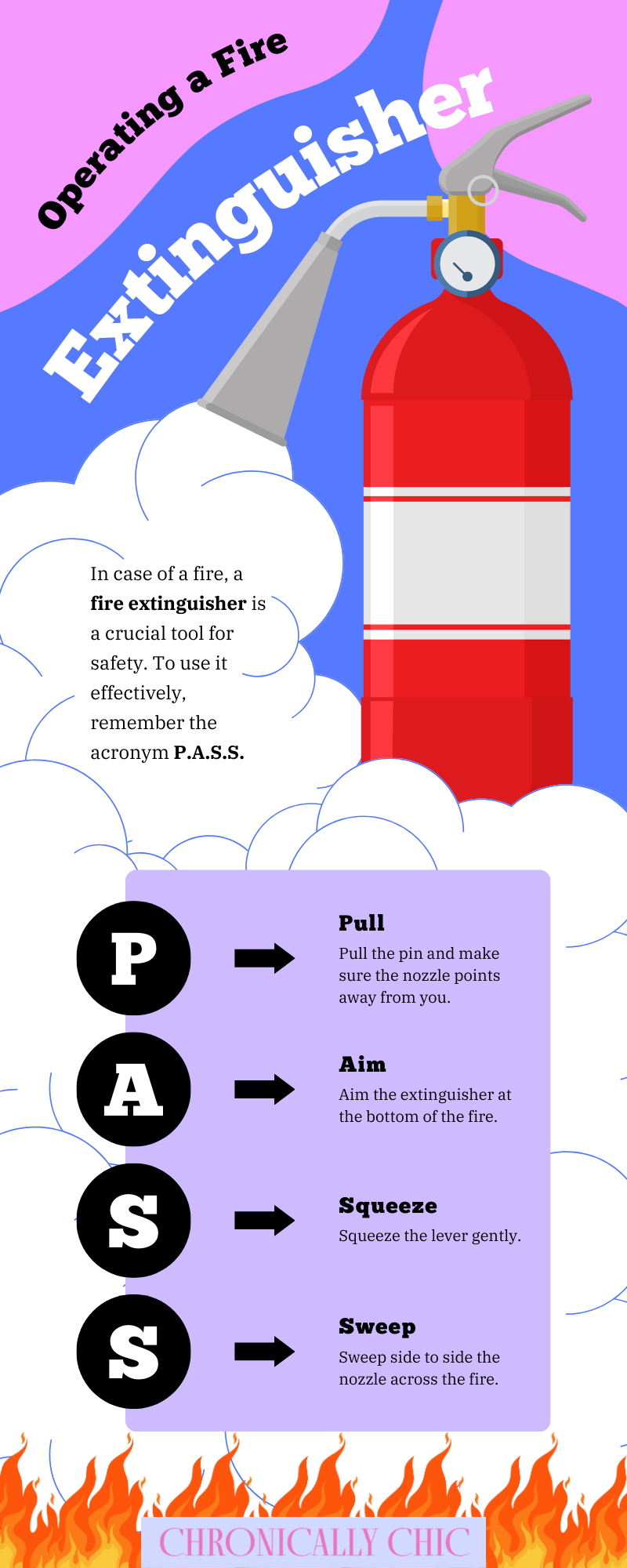
Every home should have at least one fire extinguisher. They should be placed in high-risk areas like the kitchen, garage, and near any heat sources. Make sure you know how to use them properly. There's no point in having one if you're unsure how to operate it in an emergency.
Recommended fire extinguisher: First Alert HOME1 Fire Extinguisher. It's small, easy to use, and perfect for home kitchens or garages.
Smoke Detectors:
Having working smoke detectors in your home is non-negotiable. Test them monthly and replace the batteries regularly. A good tip is changing the batteries during daylight savings time, so always remember to keep them fresh.
Recommended smoke detector: Nest Protect Smoke & Carbon Monoxide Detector. This one doubles as a CO2 detector and even alerts your phone if smoke or carbon monoxide is detected.
Flameless Candles
As mentioned earlier, flameless candles offer a great alternative to traditional ones. They give you the same ambiance without the risk of an open flame.
Recommended flameless candle set: Realistic Flameless Candle Set. These look incredibly realistic and come with a remote control to turn them on and off easily.
Fire-Resistant Safes
A fire-resistant safe can protect your important documents, valuables, and even digital files in case of a fire. Look for a safe that is rated for both fire and water damage.
Recommended fire-resistant safe: SentrySafe Fireproof and Waterproof Safe. This safe is great for protecting irreplaceable items like passports, legal documents, and photos.
What to Do in Case of a Fire
Even with all the precautions in place, accidents can happen. It's essential to have a plan in case a fire does occur.
Here are some quick steps to follow if you're ever in that situation:
Sound the alarm: Make sure everyone in the house is aware of the fire by shouting, and hopefully you’ve got your smoke detector's alarm going too.
Get out immediately: Don't waste time gathering belongings. Leave the house as quickly as possible, using the nearest exit.
Stay low: If there's smoke, remember that it rises. Stay close to the ground to avoid inhaling it. Smoke gets dangerous way faster than people realize.
Have an escape plan: Make sure everyone in your household knows the escape routes from each room. Designate a safe meeting point outside the house where you can regroup.
Call 911 from outside: Once you're out, stay out. Call the fire department from a safe distance.
Escape plan tip:
Practice your escape plan a couple of times a year, especially if you have kids. Everybody should know where to go outside so you’re not screaming names into the dark, trying to figure out who made it out.
FAQ’s
What are the early warning signs of electrical fires in older homes?
Look for flickering lights, warm outlets, burning smells near fixtures, or circuit breakers that keep tripping. These little red flags mean your wiring might be begging for a professional inspection before disaster strikes.How can I prevent grease fires when cooking with oil?
Never, ever walk away when frying or grilling. Keep a lid handy, so if oil flares up, you can smother it fast. Water’s the enemy here! It’ll just make things way worse.What’s the safest way to use space heaters in small apartments?
Keep them at least 3 feet from anything flammable, plug directly into wall outlets (no extension cords), and turn them off before going to sleep. Bonus points if yours has an automatic shut-off if it tips over.How often should I clean my dryer vent to avoid fires?
At least once a year, but if you’re heavy on laundry, consider twice. Lint buildup is a sneaky fire starter, so get that vent clear and your lint trap clean after every load.What are the biggest holiday fire risks, and how can I avoid them?
Real Christmas trees that dry out, overloaded outlets with lights, and unattended decorations are top offenders. Keep trees watered, use lights in good shape, and switch off those festive bulbs before bed.
Honestly, this article mostly made me realize how many dangerous things people normalize because ‘nothing bad has happened yet.’ What are some of your fire safety tips? And don't forget to share this article with anyone you think could use some fire safety!
Stay safe, friends!!