Fish Oil: Benefits, Risks, and Why I Stopped Taking It
Last updated: March 2026
Hi friends!
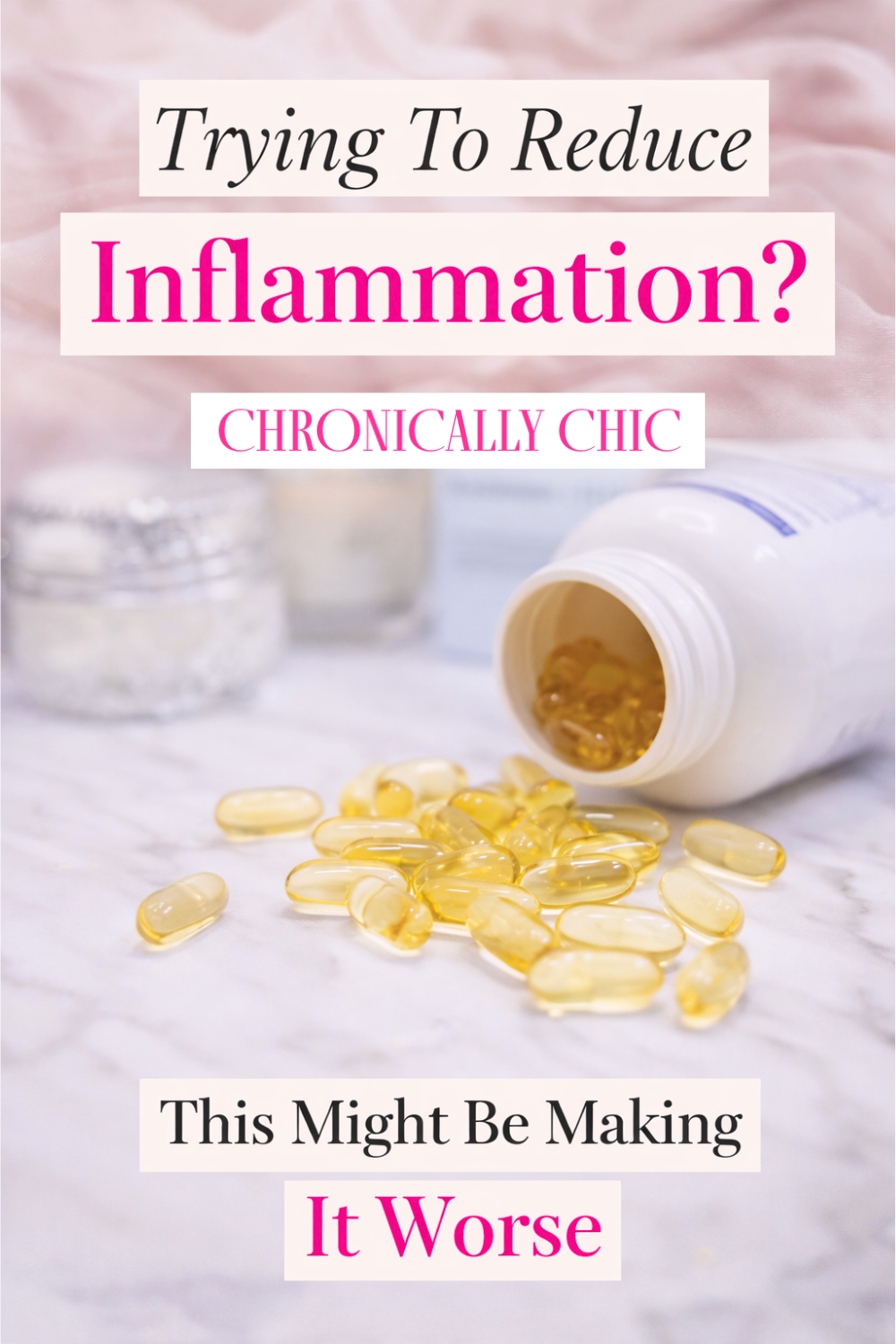
I took fish oil every day for years. Just… blindly. It was one of those things I'd absorbed from the wellness corner of the internet and never actually questioned. Then I went down a rabbit hole I wasn't expecting, and it turns out the research is genuinely messier than the supplement industry would like you to know. Not "fish oil will kill you immediately,” but "maybe pump the brakes on assuming it's doing what you think it is.”
Here's what I actually found: what omega-3s really do, where the science has shifted, and which fats I've swapped in since. The short version of that last part lives on my staples list, if you want to skip ahead. You can check out My Ride-or-Die List for Sensitive Skin, Hair, Home & Health for the oils, fats, and clean staples I trust.
Why I Took Something Suspicious For Years…
I took fish oil because it felt like one of those things responsible adults just… do. You hear it helps your heart, your brain, your inflammation, your mood, your skin, and your ability to remember why you walked into the kitchen, and suddenly there’s a bottle on your nightstand, and you’re swallowing it every morning like a little insurance policy against aging.
It’s one of those things that sounds responsible to take, so you take it and stop questioning it. Your body can’t make those on its own, so the pitch is simple: take this, and you’re filling in a gap, protecting your future self, and doing something good even if the rest of your day is DoorDash and stress.
And honestly, that logic worked on me for years because it felt like I was doing something right without changing anything else. Fish oil has been sold to us as this magic pill that supports your heart, calms inflammation, sharpens your focus, and maybe even fixes your mood. It’s the supplement equivalent of “drink more water,” so I never really questioned it. I assumed if I felt a little off after taking it, that was just part of the whole “it’s working” phase, like starting a new skincare routine and purging, or cutting out sugar and getting a headache. Discomfort meant progress, right?
It wasn’t until I started asking why something that was supposed to reduce inflammation kept leaving me feeling… inflamed… that I realized I might be faithfully taking something my body did not actually want. What surprised me most wasn’t the benefits… it was the risks no one talks about.
The Claims About Omega-3s: Separating Fact From Fiction
Fish oil is sold like it’s going to fix your brain, your heart, your mood, your personality, your taxes… but when you actually look at the research, it’s a lot less impressive than the label wants you to believe. Who wouldn't want to boost their memory or sharpen their focus? But the science backing these claims is flimsy. When you actually look at the studies behind those claims, most of them are either modest, inconsistent, or based on very specific populations. If you’re not seriously low on omega-3s, those supplements probably won’t turn you into a memory master or focus wizard. Trust me, I’ve tried waiting for that magic brain boost… no dice.
The Hidden Risks of Fish Oil
Many fish oil supplements can contain trace amounts of mercury, PCBs (polychlorinated biphenyls), and dioxins, which build up in the body over time, not overnight. These toxins accumulate in the fatty tissues of fish and can sneak into your supplements, leading to potential health risks. This is especially important for pregnant women, kids, and anyone with a weak immune system. Look for bottles with third-party testing seals from groups like IFOS or USP to dodge mercury and other nasties.
Fish oil goes bad way faster than people realize, and when it does, you’re taking something that’s supposed to help inflammation and flipping it the other way. When fish oil goes rancid, which can occur faster than you might imagine, it produces harmful free radicals that can wreak havoc on your cells and contribute to chronic inflammation… the very issue we want to tackle with these supplements! The frustrating part is, it doesn’t always smell bad enough to warn you. You can be taking something that’s already degraded without realizing it.
Tip: If your capsules don’t have a slight fishy smell, they could be oxidized. I always buy from brands that use dark glass bottles and nitrogen flushing to keep freshness locked in.
Omega-3s have this “can’t hurt, might help” reputation, which is exactly how you end up taking something for years without ever checking if it’s actually doing anything for you. They can be a real concern for those on blood-thinning medications. It's also worth noting that some people experience digestive issues like diarrhea or nausea with high doses.
What About Omega-6s?
When I actually looked at what I was eating every day, I realized the problem wasn’t mysterious at all. Omega-6s are found everywhere, from cooking oils like canola, soybean, and corn oil, to convenient processed snacks we often reach for. While omega-6s play a role in our bodies, mainly in cellular function and brain health, the problem arises when we consume them in excess.
Once I actually looked at what I was eating, it wasn’t mysterious why I felt off, everything was loaded with the same oils I wasn’t thinking twice about. Many people are rocking a 1:20 or even 1:30 ratio… not great for inflammation or heart health, and correlates with the rise in chronic inflammation and related health issues like heart disease, arthritis, and diabetes.

A few years ago, I had unexplained fatigue and inflammation. After digging into my diet, I realized I was consuming way too many processed foods full of omega-6s, so I started cooking more with coconut oil and saving omega-3 sources for my meals where they'll occur naturally.
It's a common misconception that taking fish oil supplements will balance out a diet high in seed oils, but it won't magically erase the impact of a poor diet.
Fats You Can Trust
If you’re juggling sensitive skin and health, you want fats that won’t make you question your life choices every time you cook. My go-to favorites here are grass-fed butter, ghee, avocado oil, tallow, and most of all, coconut oil.
Seed Oils: The Real Villain?
Seed oils are in that category of things you don’t think about until you really look, and then you can’t unsee how much of your diet is kinda built on them. Studies now link excessive omega-6 consumption from seed oils not just to inflammation but to worsened mental fog and skin issues. If you’re struggling with those, cut out seed oils ASAP. If omega-6s are a problem, seed oils are the ultimate culprit. Seed oils are everywhere: salad dressings, snacks, basically anything processed.
Why Seed Oils Are So Problematic
1. They're Highly Refined
The production process for seed oils is anything but natural. It involves high heat, chemical solvents, and deodorizers. This not only destroys beneficial nutrients but also creates harmful byproducts.
2. They're Inflammatory
If your baseline is a ton of processed food, adding fish oil on top is kind of like lighting a candle in a room that’s already on fire and calling it ambiance. This is a big deal. Chronic inflammation is linked to numerous health issues, including heart disease, diabetes, and even certain cancers. Cutting seed oils will do more for your inflammation than adding fish oil ever will.
3. They're Everywhere
You don’t have to cook every single meal at home to notice this, but once you start paying attention, it’s a little insane how often the same oils show up in foods that are pretending to be “healthy.” They're hidden in soups, snacks, and even seemingly healthy items like granola bars.
FAQs
1. What are the real risks of taking fish oil supplements daily?
Some of the biggest red flags? Rancid capsules (which can cause inflammation instead of fighting it), toxic contaminants like mercury and PCBs, and blood thinning, especially risky if you’re on medication. Just because it’s in a wellness aisle doesn’t mean it’s harmless.
2. How do I know if my fish oil capsules are oxidized or rancid?
Smell them. Seriously. If they don’t have even the faintest fishy smell, they might be oxidized. Rancid oil doesn’t always stink, but if your bottle’s not in dark glass or nitrogen-flushed, that stuff can spoil fast and mess with your health.
3. Are there better alternatives to fish oil for omega-3s?
If you're not eating oily fish regularly and want cleaner options, consider fresh cod liver oil from trusted brands (with third-party testing), or, if you tolerate it, pasture-raised egg yolks and grass-fed dairy. Just skip the capsules loaded with fillers and mystery ingredients.
4. Can fish oil cause bloating, nausea, or diarrhea?
Yes, especially if you’re taking high doses. Some people’s guts just don’t vibe with fish oil, and it can lead to nausea, gas, and bathroom issues. That’s a hard pass for sensitive stomachs.
5. Does fish oil improve brain function, or is that just marketing hype?
Unless you’re severely deficient, there’s no solid science proving fish oil boosts memory or focus. DHA plays a role in brain health, sure, but popping a capsule won’t turn you into a genius overnight.
6. Should I worry about mercury and toxins in fish oil?
Absolutely. Fish oil can contain mercury, dioxins, and PCBs if it’s not carefully sourced. Always go for brands that share third-party testing results and don’t cut corners on sourcing or packaging.
7. What oils should I use instead of fish oil supplements?
Try fats that support your body without the sketchy side effects: grass-fed butter, ghee, avocado oil, and cold-pressed olive oil (in moderation). These are my kitchen staples and way safer long-term.


Your new everyday layer! Soft enough to live in, polished enough to leave the house. Made with ultra-soft air-jet spun yarn, it has that cozy “hug me” feel without losing shape. Ribbed collar and cuffs keep it looking sharp, and pre-shrunk fabric means it fits after every wash, not just the first one.
Fit Info
Relaxed, slightly cropped. Size up if you like it slouchy.
Size Guide (laid flat)
S: Chest 20" | Length 27" | Sleeve 33.5"
M: Chest 22" | Length 28" | Sleeve 34.5"
L: Chest 24" | Length 29" | Sleeve 35.5"
XL: Chest 26" | Length 30" | Sleeve 36.5"
2XL: Chest 28" | Length 31" | Sleeve 37.5"
3XL: Chest 30" | Length 32" | Sleeve 38.5"
4XL: Chest 32" | Length 33" | Sleeve 39.5"
5XL: Chest 34" | Length 34" | Sleeve 40.5"
Not just a sweatshirt, it’s the one you’ll reach for every time the weather turns crisp, the coffee’s hot, and you want to feel cozy but still pulled together!
Made to order. Usually ships in 5–10 business days, with tracking.
8. What’s the ideal omega-3 to omega-6 ratio, and why does it matter?
Most experts suggest a 1:1 or 1:2 ratio, but the modern diet is closer to 1:20. That imbalance can crank up inflammation and throw your system off. Cutting down omega-6-heavy oils (like soybean or canola) is just as important as getting quality omega-3s.
9. Do I even need a fish oil supplement if I eat seafood?
Probably not! If you’re eating fatty fish like wild salmon a few times a week, you’re likely covered. Supplements are usually pushed to fill marketing gaps, not nutrition gaps. Whole food wins, every time.
Final Thoughts
So, what do you think about the fish oil craze? From potential contamination to oxidation, and let's not forget whether we even need those supplements in the first place, it's time to rethink whether fish oil truly deserves a spot in our wellness routine.
If you’re ready to keep your skin, hair, and health on point without all the guesswork, you have to check out my Ride-or-Die List for Sensitive Skin, Hair, Home & Health. Plus, if you want the latest tips, recipes, and all the good stuff, sign up for my newsletter here!