I Thought I Had IBS. Nope. It Was Nickel.
A doctor told me I had IBS, and I believed it for over five years because there wasn’t another explanation.
Symptom 1: The Rash That Wouldn’t Quit
I had an awful face rash for years, and also an impressive collection of opinions on why, none of which were correct. Five years. I had an awful face rash for years and a rotating cast of explanations for it, none of which were correct. “It’s just eczema.” “Maybe it’s stress.” “Try cutting out dairy?” LOL. Nope.
The answer was a systemic nickel allergy, a sneaky culprit hidden almost everywhere.
It wasn't until I visited an allergist that I finally got some clarity on my systemic nickel allergy symptoms. After testing, she confirmed that I had a nickel allergy and suggested a low-nickel diet to help reduce my symptoms. If your skin reacts to things that don’t make sense, this might also be part of it →
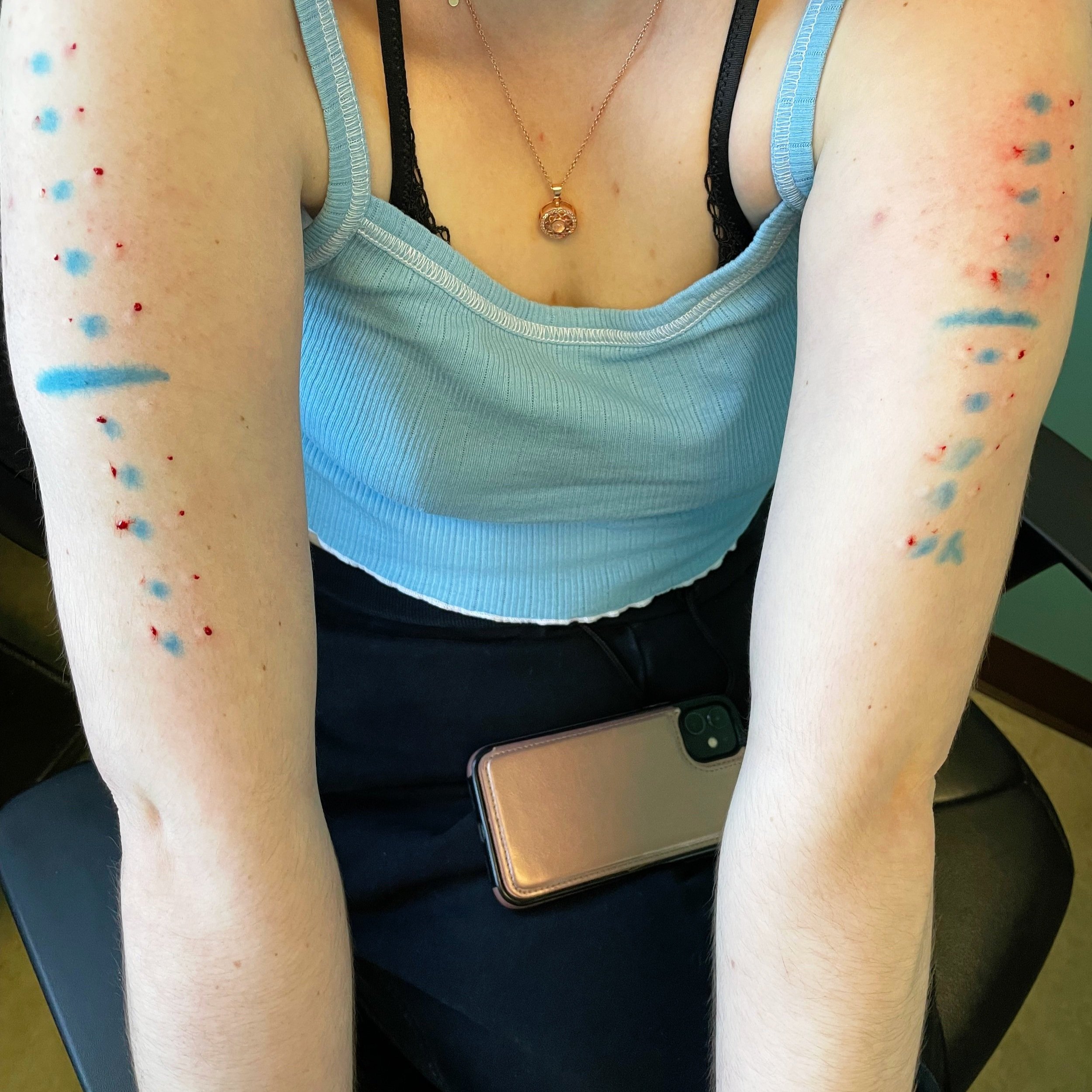
My first round of patch testing, mostly environmental allergens, all negative.
HOW I FINALLY FIGURED IT OUT
Turns out my body just really hates nickel. Annoying? Yes. Fixable? Also yes. The second I stopped treating this like a wellness mystery and actually tested for nickel, everything snapped into focus.
My body treats nickel like a threat, and suddenly, every rash, flare, and stomach issue had a common denominator. The stomach issues everyone labeled as IBS were just my body responding exactly how it responds when it’s being poisoned. Nickel Navigator and the Intolerances app fixed the food part.
Low-Nickel Food Swaps I Rely On
The only thing that changed my symptoms was eating low-nickel, consistently. This means avoiding foods high in nickel (most of the time, you won’t die from eating chocolate cake, but you might get a rash, a migraine, or a stomach ache), such as chocolate, nuts, and certain fruits and vegetables. You're not sentenced to rice cakes. You just need to know what's actually causing the problem.
I started focusing on simple meals with fresh dairy, protein, and low-nickel fruits. The simplest meal I make is just rice bowls with roasted low-nickel veggies like carrots and zucchini, and grilled chicken or beef. I've also been experimenting with different types of fruits that are lower in heavy metals, like cherries or pomegranate!
I put together a list of low-nickel stuff I use because I got tired of reading labels at Target: Click here!

Peep my scoliosis LOL. So, I had to come back another day for more testing, this time to put it on my back, then a few days later to take it off and see if a reaction happened yet, and once more to check for any late reactions. I didn’t know what each little square was testing at the time; only the doctor would know when we finally looked at the results, but I could tell pretty immediately that one of them on my back was kind of itchy in the upper left corner, but not like too bad. When I came back to get the sticker off, the nurse noted that I definitely had reacted to where I was itchy and that the doctor would go over whatever allergen it was, and we found out it was a nickel and I was like oh my gosh that makes sense. Then, I made a dumb mistake at home because the sticker was off. I itched where it was itchy, not realizing that there was still a good amount of the nickel sample from the test on the spot that was itchy, and then I itched my face with that hand… it did not go well lol.
Jewelry, Buttons, and the Everyday Minefield
Jewelry, buttons, zippers. Your cute outfit is literally attacking you. Avoid wearing jewelry that contains nickel and opt for hypoallergenic options instead. You can also cover buttons and zippers with clear nail polish to create a barrier between your skin and the nickel. Once I knew the triggers were everywhere, I stopped looking for one cause and focused on lowering overall exposure instead.
When I first learned about all of this, my mind was blown. I had no idea that nickel was in so many things before I was diagnosed with my nickel allergy. It's everywhere, which is annoying, but once you know what's setting you off, you stop white-knuckling every meal. Antihistamines and corticosteroids helped, but they're not a long-term plan, they're more like duct tape on a leaky pipe.
Staying Ahead of Allergies
Nickel allergies tend to run in families, which explained a few things for me in hindsight. In my case, my grandmother has a nickel allergy, but her symptoms aren't as broad as mine. She only gets rashes with contact, but I get sick from eating high-nickel foods. Same trigger, completely different experiences. If this sounds familiar, an allergist can confirm it with actual testing instead of five more years of guessing.
Once I knew the cause, everything stopped feeling chaotic and started feeling predictable.
THE THINGS THAT ACTUALLY MADE A DIFFERENCE
Use Nickel Navigator and the Intolerances app to identify high-nickel foods
Switch to verified hypoallergenic or nickel-free jewelry
Limit high-nickel foods like chocolate, nuts, and canned items
Cover metal buttons with clear nail polish to reduce contact
Track symptoms alongside exposure to identify patterns
FAQs
Q: How do I know if this could be nickel?
A: If your symptoms seem random, inconsistent, or triggered by completely different things like food, jewelry, or skincare, that’s a clue. Nickel exposure adds up across sources.
Q: Why is nickel allergy often mistaken for IBS?
A: Because nickel allergy can cause digestive symptoms like cramps and bloating, doctors sometimes jump to an IBS diagnosis without considering metal allergies. Nickel’s systemic effects fly under the radar unless you’re specifically tested for it.
Q: How long does it take for symptoms to improve once I start a low-nickel diet?
A: Most people notice changes within 1–3 weeks, with more consistent improvement over a few months, depending on exposure levels.
Q: Can nickel allergies develop later in life?
A: Yes. Many adults suddenly develop nickel allergies after years of no issues, often triggered by prolonged exposure through jewelry, dental work, or even diet changes.
Q: What hidden sources of nickel should I watch out for besides food?
A: Everyday items like zippers, cell phones, coins, and eyeglass frames can contain nickel. Constant contact can worsen symptoms, so be mindful of these “nickel traps.”
Q: Are there supplements that can help manage symptoms?
A: Some people get relief from vitamin C or quercetin, which can reduce inflammation and histamine reactions, but these aren’t cures.
If this sounds familiar, start tracking what you’re exposed to for a week. Patterns show up faster than you think, and that’s what finally changed everything for me.
Subscribe to my newsletter for low-nickel meal ideas, safe skincare finds, and more!
Get the low-nickel swaps I actually use here → Shop my Faves!
Disclaimer: I may earn something from links on this page. But no worries, I only recommend products I love, promise.
Resources and Recommendations:
Apps: Nickel Navigator, Intolerances
Air Purifier: Dyson Pure Hot+Cool Link™ Purifier