This post may contain affiliate links. I only recommend what I actually use or would buy again in a heartbeat.
Hi Friend!
I started digging into supplement ingredients when I was trying to figure out why I felt off. (Turned out to be SNAS, but that's another story.) Most supplements look clean on the front and completely different on the back. Once I started reading the ingredient lists closely, I realized a lot of what I was taking was making me feel worse, not better. Here's what I personally avoid and why, but remember, your body might react differently:
Common fillers and additives that are worth checking:
Artificial dyes (like Red 40) – If you react to dyes in food, you might react to them in supplements too.
Titanium dioxide – Added to make pills white. Some people find it irritating to their gut, and a few recent studies have raised questions about long-term use
Magnesium stearate and stearic acid – A manufacturing aid that's generally considered safe, but if you have a sensitive gut, you might prefer supplements without it.
Soy protein isolate – Highly processed. Can be an issue if you're sensitive to soy or estrogen-dominant conditions.
Carrageenan – A seaweed-based thickener. It bothers some people's digestion and has been the subject of ongoing debate in food safety research.
Artificial sweeteners – Can affect blood sugar and gut bacteria, even at zero calories.
Propylene glycol – A preservative used in food and cosmetics that isn't necessary in supplements.
BHA/BHT – Preservatives linked to hormone disruption in some studies.
Citric acid – Usually fine, but can trigger reactions in people with sensitivities.
Silicon dioxide – Keeps powder from clumping, but hasn't been well-studied long-term in supplements.
Talc – A flow agent, but talc can be contaminated with asbestos. Reputable brands test for this. If you see it on the label and it bothers you, plenty of supplements skip it entirely.
Gums, binders, and anti-caking agents aren’t automatically dangerous, but they are the reason two brands with the same vitamin dose can feel completely different when you take them.
The takeaway: If the ingredient list reads like a chemistry exam, a cleaner version probably exists. If there's more filler than actual vitamins, or a food dye for no clear reason, grab a different brand. Sign up for my newsletter, and I’ll send my list of go-to products straight to your inbox!
What Most Ingredients Are Actually Doing
So here's the thing: a lot of supplement ingredients aren't there for your health. They're there to make pills easier to manufacture, keep them shelf-stable, or make them look better. It's just how the industry works.
Like, stearic acid is a filler. Microcrystalline cellulose is a bulking agent. They're not necessarily bad for you, they're just taking up space. And yeah, even the brands with the pretty labels and wholesome vibes do this sometimes.
Here's what actually helps:
If the ingredient list looks like a chemistry exam, you can probably find a cleaner version. If there's more filler than actual vitamins, or food dye for literally no reason, just grab a different brand. They exist.
The goal isn't to find a perfect supplement (spoiler: doesn't exist). It's to find one where the active ingredients you actually need aren't buried under a bunch of stuff you don't. Read the "other ingredients" section. If it's short and recognizable, you're probably good.
🍓 Can’t keep track of what’s banned, toxic, or secretly seed oil-filled? Yeah, same. That’s why I keep a running list of clean supplements and toxic ingredient offenders.Sign up here so you’re not left behind when the next label gets canceled!
Protein Powders, Amino Acids, and Herbal Supplements
This is the exact point in the aisle where I pick something up, flip it over, and put it right back down.
Most of the protein powders that look the nicest on the shelf are built around fillers that wreck my stomach or trigger SNAS symptoms, especially if pea protein or “natural flavors” show up early in the ingredient list.
If pea protein is in the first three ingredients, I don’t care how many influencers are holding it in a smoothie. I’m putting it back. If you’re sensitive, stick with whey isolate or simple blends with short ingredient lists.
If You’re Nickel-Sensitive, Check This First
A lot of plant-based blends lean heavily on pea protein, brown rice protein, or soy isolate. All of those can push nickel intake up fast if you’re using them daily. This is where the “clean vegan blend” that worked for your friend suddenly turns into daily bloating, skin issues, or that weird, low-level anxious feeling you can’t place.
I’m not looking at macros first. I’m looking at the source.
How to pick one that works for you:
Think about what you're trying to do (post-workout recovery vs. meal replacement) and what your body tolerates. If you have sensitivities, check the protein source first. Whey and casein work for a lot of people. If you need plant-based, look for brands that use lower-nickel options or blends.
Amino Acids: Gym Bro Hype or Legit?
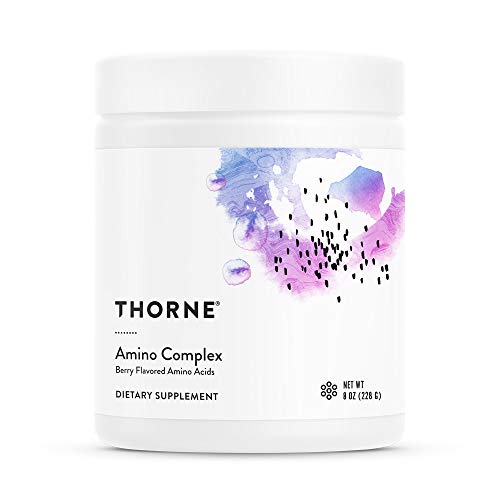
BCAAs (leucine, isoleucine, valine) are the ones that actually repair muscle, especially if you're training hard or trying to keep muscle while cutting. If you're looking for clean options, brands like Thorne have solid reputations for third-party testing and short ingredient lists.
The Itchy Pre-Workout Thing
If you've ever taken a pre-workout and felt like your ears or arms were buzzing or itchy about 10 minutes later, that's almost certainly beta-alanine. It's added for endurance support, but the tingling catches a lot of people off guard. It's harmless, but if you hate the sensation, check for beta-alanine before you buy. A lot of formulas don't mention it anywhere on the front label.
The thing about herbals:
Herbal supplements are having a moment, and some of them are genuinely well-supported. Saw palmetto for prostate health, ginkgo biloba for cognitive support, echinacea for immune support, and black cohosh for menopause. Ginseng boosts energy and has actual anti-cancer research behind it, which is pretty cool.
Quality varies a lot between brands. Some use fillers, some don't match what's on the label. Look for brands with NSF, USP, or ConsumerLab certification, those are third-party tested, so what's on the label is actually in the bottle.
If you're on medications, check with your doctor or pharmacist before adding herbs. Some interact in ways that matter. Iron blocks thyroid medication. St. John's Wort messes with birth control. Grapefruit affects statins. Your doctor can flag these before you waste money.
Things That Made Me Feel Worse Within 24 Hours Of Taking Them
Some additives can trigger reactions in people with sensitivities. Dyes like tartrazine are linked to breathing problems in people with asthma or allergies. If you notice reactions, check for artificial colors on the label.
Emulsifiers like polysorbate-80 can cause inflammation in people with sensitive guts. If you have IBS or IBD, you might feel better with supplements that skip these. Same with preservatives like sodium benzoate, which can mess with gut bacteria if you're already dealing with digestive issues.
Sucralose appears in many "diet" or zero-sugar supplements, but it can affect gut bacteria and cause inflammation in some people. If you're taking probiotics, it's worth checking if your other supplements are working against them.
None of these showed up as a problem until I actually took them consistently. Labels don’t tell you how something is going to feel, but patterns show up fast when you start checking.
The research gap: Long-term studies on supplement additives are still catching up. Talc and titanium dioxide have raised concerns in recent years. This doesn't mean panic and throw everything out. It means that if you're taking something daily for years, it's worth choosing brands that keep additives to a minimum and test their products.
What you can do: If you have existing health issues or sensitivities, read the full ingredient list, not just the active stuff. Look for third-party testing. And if something makes you feel worse, trust that and try a different brand. Your body often picks up on things before the research does.
If your body reacts to everything, this might also be part of it →
How to Choose Safe Supplements
When you're buying supplements, here's what actually helps you find good ones.
Read the Other Ingredients List
"Supplement Facts" tells you what's active. "Other Ingredients" is where they list the fillers and additives. If the other ingredients list is longer than the active ingredients, or it's full of things that seem unnecessary, you can probably find a cleaner option.
Look for Third-Party Testing
NSF International, US Pharmacopeia, or ConsumerLab certification means someone verified what's on the label is actually in the bottle. These aren't perfect, but they're a decent quality check. If a brand promises to cure diseases or offers wild guarantees, skip it. If a brand claims to be third-party tested but I have to dig through six tabs to find it, I assume it’s not something they’re proud of.
Talk to Your Doctor First
Check with a doctor or dietitian before starting anything new. They can run bloodwork to see what you actually need, catch potential interactions, and recommend doses you don't need or that will interfere with whatever you already have going on. See what Bethenny Frankel has been going through with this problem here.
Bottom line: Supplements fill gaps. They're not replacing food or medication, just helping where your diet might be missing something.
FAQ’s
How do I know if my supplements have hidden fillers? Check the "Other Ingredients" section on the label. If it's longer than the active ingredients list or has a bunch of unnecessary additives, you can find cleaner options.
What certifications actually matter when buying supplements? NSF International, US Pharmacopeia, and ConsumerLab. These are third-party testers that verify what's on the label is actually in the bottle.
Should I buy supplements on Amazon or go somewhere else? Amazon can have issues with counterfeit products and storage. To be safer, buy from the brand's official site or verified retailers like Thrive Market or iHerb.
How do I know what vitamins I'm actually deficient in? You don't unless you get bloodwork. Ask your doctor to test Vitamin D, B12, iron panel, magnesium, and thyroid function. Those are the most common deficiencies, and you'll know exactly what you need instead of guessing.
Are expensive supplements always better quality? Not always. Sometimes you're paying for third-party testing and bioavailable forms. Other times, you're paying for packaging and marketing. Check for certifications and clean labels, not just price.
Can supplements interact with my medications? Yes. Iron blocks thyroid medication absorption. St. John's Wort affects birth control. Grapefruit affects statins. Tell your doctor what you're taking so they can flag potential issues.
What's the difference between synthetic and natural vitamins? Some synthetic forms work fine, others don't absorb well. What matters is bioavailability. Methylated B vitamins, for example, are easier for most people to absorb than synthetic folic acid.
How long does it take to notice supplements working? Depends on what you're taking and how deficient you were. B12 might kick in within days if you were really low. Vitamin D takes weeks. If you're not noticing anything after 3 months at the right dose, it's worth checking in with your doctor.
Lessons Learned
Supplements don't need to be complicated. Check the labels, look for third-party testing, and pick brands that keep it simple. If something makes you feel worse instead of better, trust that and try something else.
Sign up for my newsletter, and I’ll send my clean product list. Join the newsletter!
P.S. If you've had a supplement horror story or found a brand that's actually clean, I want to hear about it. DM me or drop it in the comments.
One More Thing: The Hangover Probiotic That Actually Works
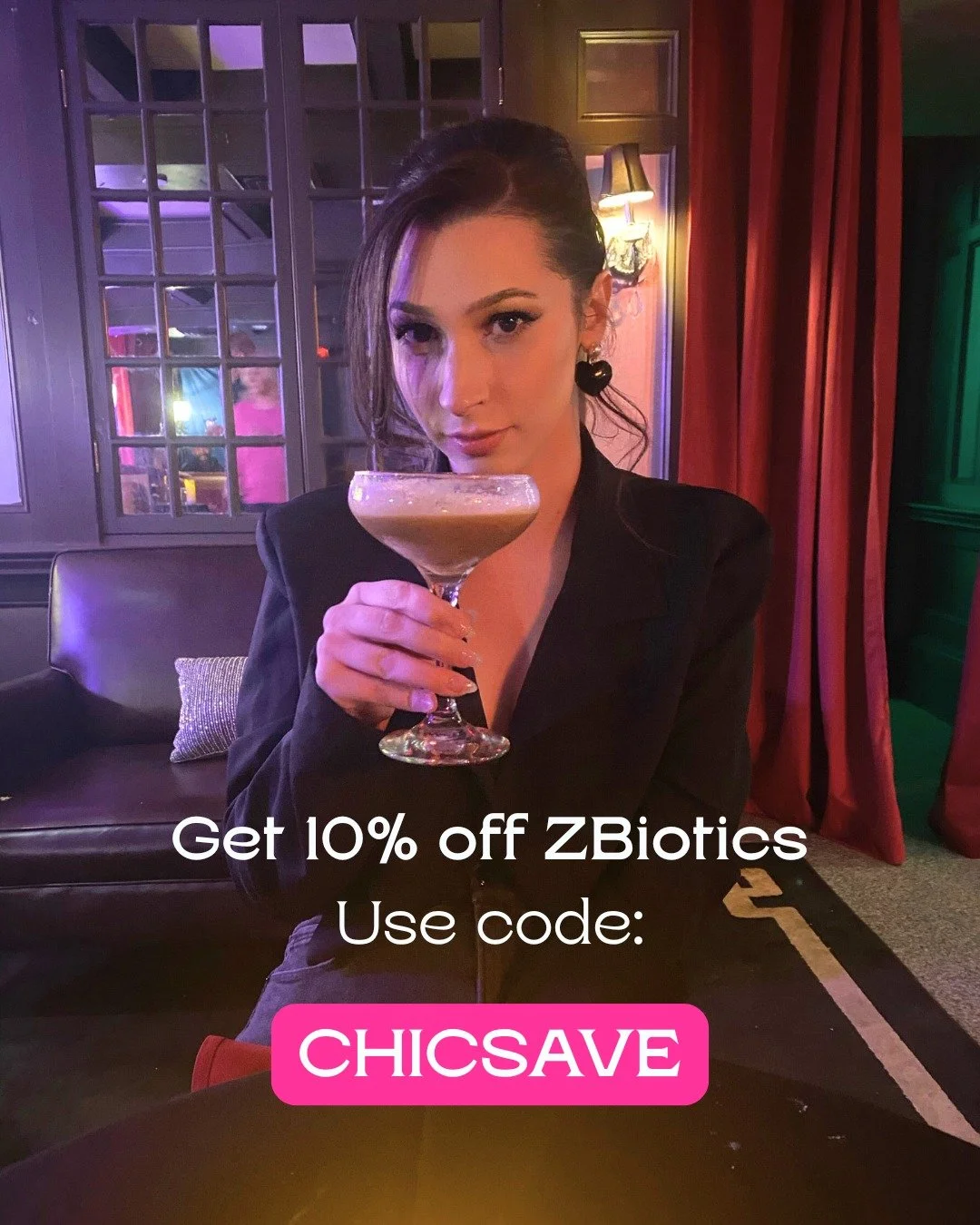
Look, I'm picky about what goes in my body, which is why I was skeptical about ZBiotics at first. But here's the thing: it's a probiotic drink made by actual scientists to break down acetaldehyde, the byproduct of alcohol that makes you feel like death the next day.
You drink it before your first drink. It's non-GMO, gluten-free, vegan, and the ingredient list is clean. The first time I used it, I woke up feeling shockingly normal instead of wasting the entire next day on the couch.
If you want to try it, use code CHICSAVE at ZBiotics for 10% off. It's one of the few things I actually recommend because it works and doesn't have a bunch of garbage in it.
Here’s to enjoying our nights and feeling great the next day!
Love, Kacie
P.S. This post was brought to you by rage, research, and a protein shake that didn’t make me break out.