This post contains affiliate links. I only link what I actually use.
Hi, friends!
Every time I see someone talking about ‘DNA repair’ online, it sounds like either a medical emergency or a $200 supplement stack, and I kept thinking… are we actually fixing something, or just stressing ourselves out more? I looked into it, and it’s way less dramatic than people make it sound.
What I Actually Use:
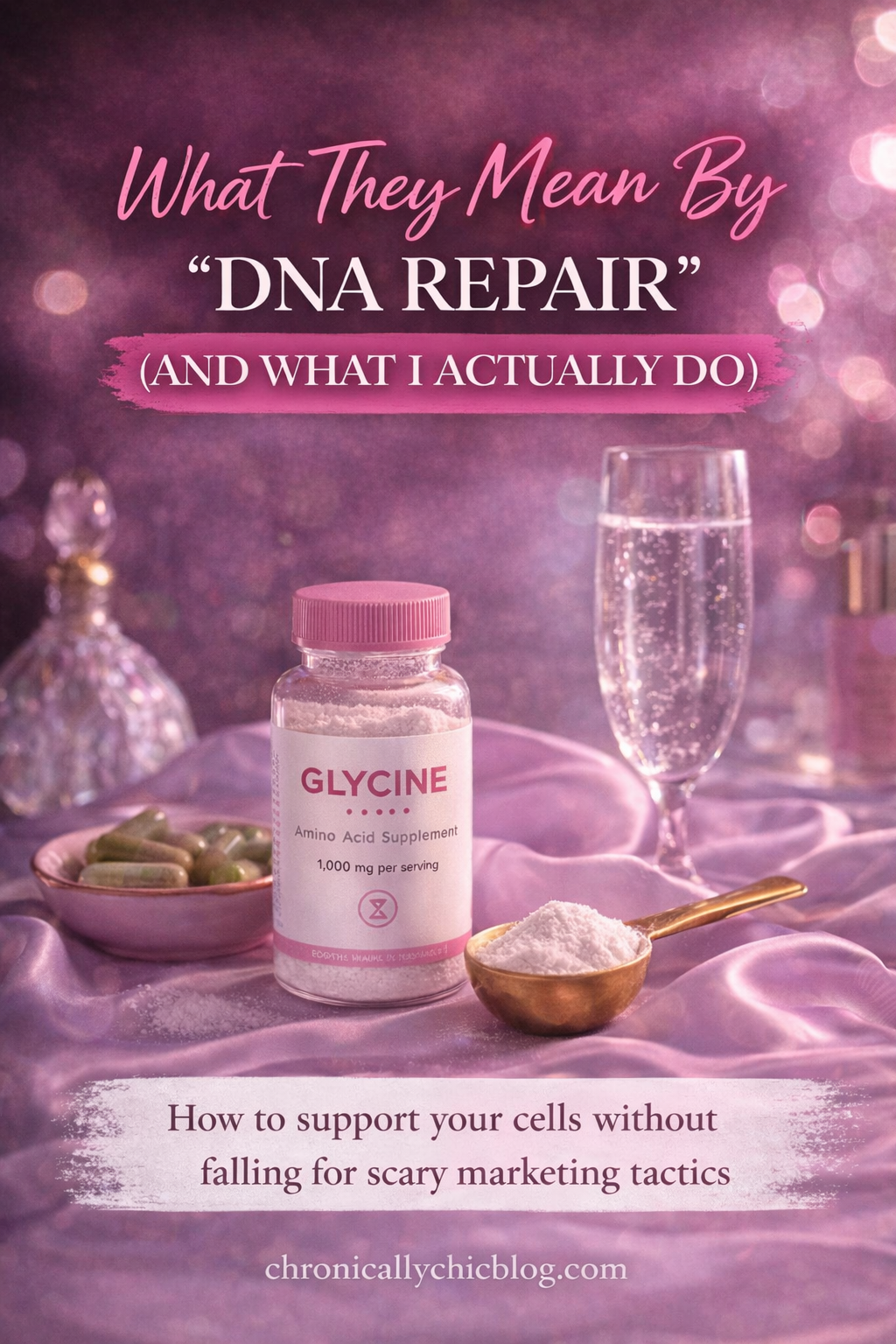
Grass-Fed Gelatin Powder — adds glycine + supports skin, gut, and repair
Magnesium Glycinate Capsules — helps with stress, sleep, and methylation
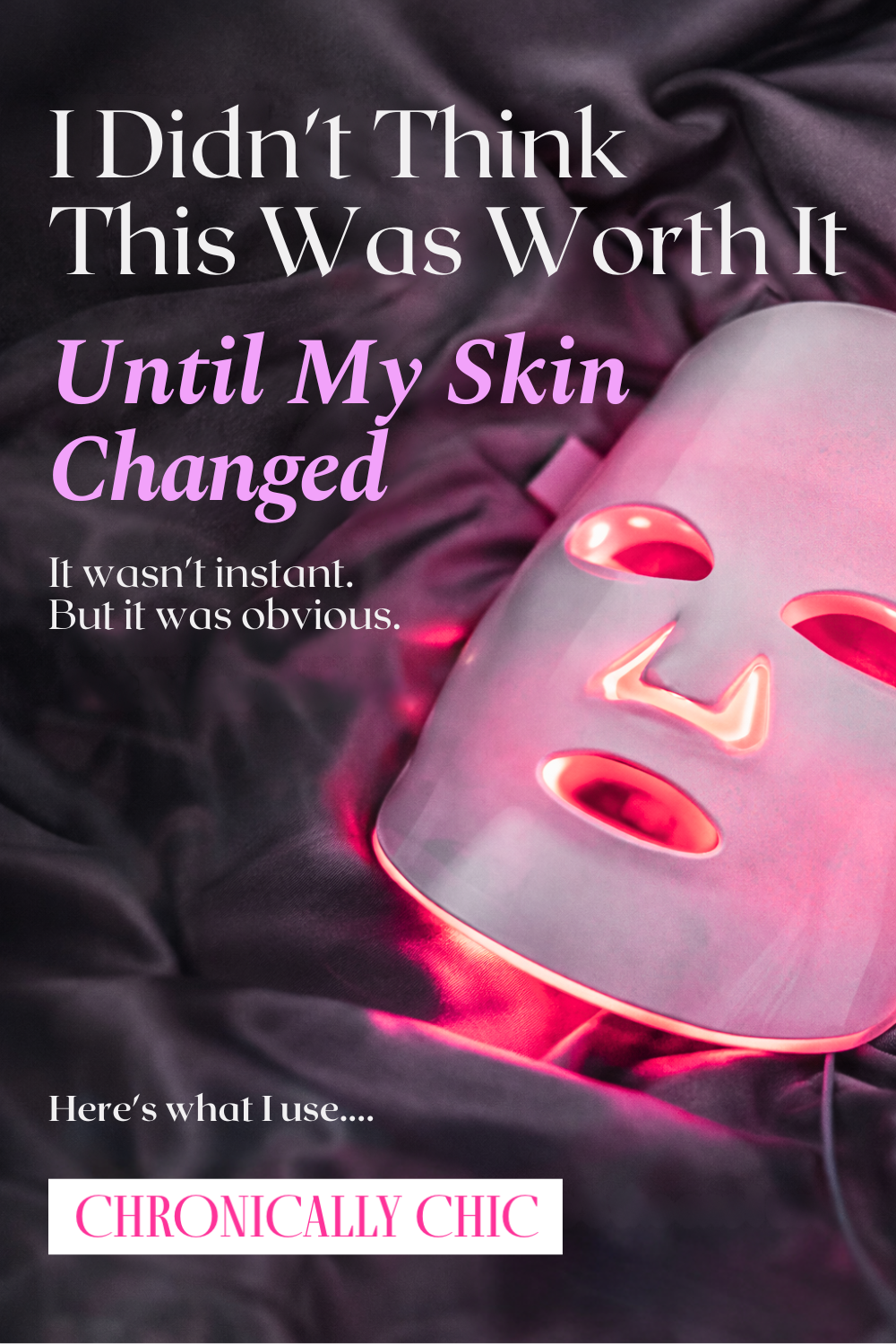
Red Light Panel — I sit in front of it like a lizard, and my skin + energy are noticeably better
What Even Is DNA Repair, and Why Should You Care?
Your DNA is basically the instruction manual your cells keep photocopying all day long, but just like with actual photocopies, the quality can sometimes take a hit over time. Stress, inflammation, toxins, UV rays, even plain bad luck. All of it adds up.
Your body already knows how to repair DNA, the goal is not to get in the way. Our bodies are equipped with remarkable built-in repair systems. They work around the clock to fix those imperfections that accumulate.
When those DNA repair mechanisms start to slow down or, in some cases, even break, it can lead to some noticeable issues. You might feel like you’re aging faster than you should, with sluggish energy levels, hormonal imbalances, and even more severe health concerns down the line.
Who This Might Be Helpful For
You’re doing everything “right” and still feel exhausted
Women dealing with hormonal chaos or early aging
People with autoimmune or chronic inflammation
Low energy, slow healing, and brain fog that makes you feel slightly useless
People who want changes that feel sustainable
How to Support DNA Repair Without Becoming a Cyborg
1. Eat the Right Proteins: Glycine Is Queen
Glycine is an amino acid involved in stress regulation and tissue repair. Most people think of it as a “skin thing,” but it’s also involved in how your body handles stress and recovery.
What to eat:
Homemade bone broth
Gelatin (gummies, marshmallows, etc. )
Slow-cooked meat with connective tissue (think oxtail, short ribs)
Optional add-on: I stir this grass-fed gelatin powder into hot drinks constantly!
2. Say No to PUFAs (Polyunsaturated Fatty Acids)
PUFA oils (canola, soybean, sunflower, etc.) are unstable and oxidize easily. When they break down, they generate free radicals that can damage cells and make repair harder.
Stick to:
Grass-fed butter or ghee
Avocado oil
Beef tallow
Coconut oil
PUFA offenders:
Store-bought chips
Nut milks
Mayo, dressings, most restaurant foods
3. Get Serious About Magnesium
Magnesium is involved in hundreds of reactions in the body, including the ones that help cells repair damage. Most people are running around depleted and wondering why everything feels harder than it should.
Try this:
Magnesium glycinate (easy on the stomach)
Topical magnesium spray (for muscle tension and sleep)
I use this magnesium supplement nightly and feel less stiff in the morning.
4. Support Your Mitochondria = Better Repair
WE ALL KNOW: Mitochondria are the powerhouse of the cell. When energy production is low, everything feels harder. If they’re sluggish, repair slows down. If they’re thriving, your DNA gets the help it needs.
Tips:
Avoid fluorescent and blue light at night (it messes with melatonin, which impacts repair)
Prioritize red light exposure during the day or use a red light device
Eat enough carbs. No, seriously. Your mitochondria need sugar to function. Starving them slows everything down. Eat white rice, ripe fruit, or sourdough daily.
5. B Vitamins: Especially B1, B2, B3, and B12
These are crucial for methylation, which works like your body’s spell-check system. B vitamins are involved in everything from cellular energy to brain health.
Food sources:
Liver (try it freeze-dried/supplemented if you can’t stomach the real thing… like me)
Eggs
Dairy
Shellfish (unless you’re allergic)
6. Balance Copper and Iron
Unbalanced iron levels can create oxidative stress and damage DNA. Copper helps regulate iron, but it needs to come from food, not supplements. (Supplemental copper can backfire.)
Best copper sources:
Egg yolks (bonus: also support methylation)
Raw honey
Whole milk (bonus: it’s also rich in B vitamins and calcium)
If you’re constantly tired, cold, or dealing with hormonal issues, look at your iron-copper balance. I cut iron supplements, focused on copper-rich foods, and felt better fast.
7. Minimize Endocrine Disruptors
Everyone says “avoid plastics,” but no one explains why. Chemicals like BPA and phthalates don’t just mess with hormones. They interfere with DNA expression and repair, especially in the reproductive system.
Try this instead:
Store food in glass
Use stainless steel or ceramic for cooking
Switch to clean beauty/skincare brands
8. Glycogen Stores Matter More Than You Think
Your liver needs glycogen to run detox, repair, and hormonal balance. If your blood sugar crashes at night, you’re pulling from muscle. That’s why a lot of people wake up at 3 AM feeling panicked or restless.
What helps:
A bedtime snack with sugar and protein (ex: cheese + honey)
Avoid fasting too long during the day
Eating regular meals with real carbs
I swear my face looks puffier when I skip my bedtime snack. It’s science.
FAQ’s
1. How do polyunsaturated fatty acids (PUFAs) affect DNA and cellular health?
PUFAs like canola and soybean oils oxidize easily and create free radicals that can break DNA strands. That makes your body scramble to fix the damage constantly, which overwhelms your repair systems. Ditching these for stable fats like grass-fed butter, ghee, or avocado oil can seriously reduce DNA stress.
2. Why does magnesium matter so much, and how do you actually fix it?
Magnesium is involved in hundreds of enzyme reactions, including those that control DNA replication and repair. Low magnesium leads to sluggish repair and tiredness. To boost it naturally, try magnesium glycinate supplements and topical sprays. Also, eating leafy greens and drinking mineral water can help if you’re not deficient.
3. Can light exposure really impact DNA repair and mitochondrial function?
Yes. Blue and fluorescent lights at night suppress melatonin, which is key for cellular repair while you sleep. On the flip side, red light exposure during the day supports mitochondria, your cells' powerhouses, helping DNA repair work better. Red light therapy, or simply getting natural sunlight, can make a big difference.
4. How does balancing copper and iron intake influence DNA health?
Too much iron without enough copper creates oxidative stress that damages DNA. Copper regulates iron absorption, but it’s best to get copper from food sources like egg yolks, raw honey, and whole milk rather than supplements, which can backfire. Balancing these minerals can improve energy, hormone balance, and repair.
5. What lifestyle changes reduce endocrine disruptors that harm DNA repair?
Avoid plastics containing BPA and phthalates by storing food in glass containers, cooking with stainless steel or ceramic, and switching to clean beauty products. These chemicals interfere with hormone signaling and DNA repair processes, especially in reproductive tissues, so cutting them out supports your cells' health.
Give Your Cells a Fighting Chance
Look, we can’t bubble-wrap ourselves. DNA damage happens, but instead of obsessing over anti-aging serums that burn our bank accounts and our skin barrier, we can give our bodies the raw materials to actually heal. Think less "anti-aging" and more "pro-repair."
If everything online is making you feel like your body is broken, iIf everything online is making you feel broken, you’re not. You’re just overwhelmed. Start by removing what’s stressing it out before you start adding more.
If you try any of this and suddenly feel better, I want to hear it. Know someone always tired, wired, or weirdly obsessed with celery juice? Send them this.
If this kind of grounded wellness talk is your thing, I share more of it in my newsletter: Chronically Chic newsletter. Don’t wait until your energy’s crashed for the third time this week.