If You’re Always Bloated, It Might Be Your ‘Healthy’ Foods
I may earn a commission from links on this page, but I only recommend products I love. Promise.
Hi, friends!
Bloated after a so-called “healthy” lunch? Same. You eat clean, skip the junk, and somehow still end up feeling like a pufferfish. The truth is, bloating isn't always about what you’re eating, it’s about how your body reacts.
I tried the powders. I tried the ‘gut drinks.’ None of it fixed the actual problem. I’ve rounded up real, doable ways to beat the bloat, without triggering your allergies or flipping your whole routine upside down.
TLDR:
If you’re bloated and don’t feel like overthinking it, eat from this list:
Cooked carrots
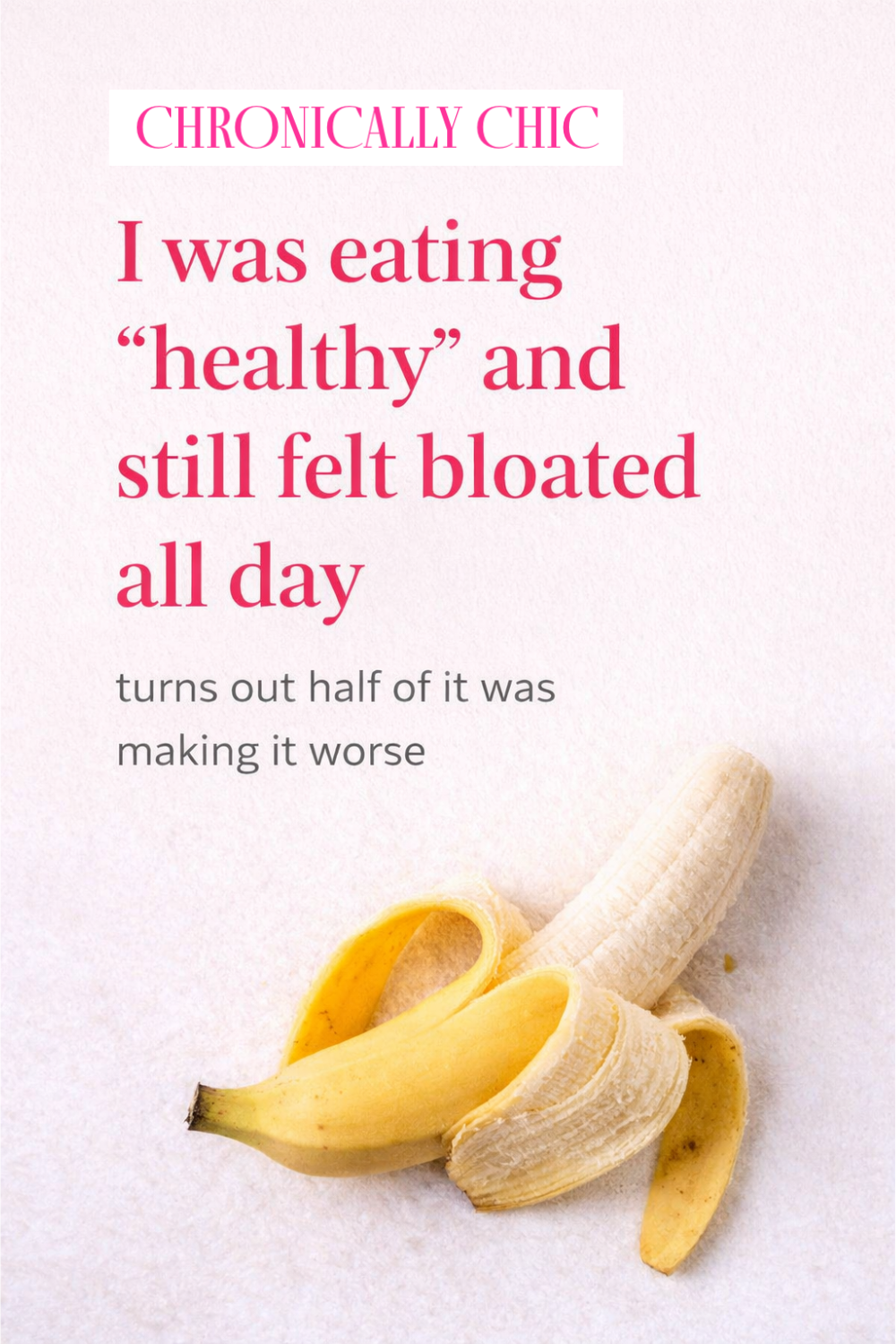
Ripe bananas
Pineapple (fresh only)
Cooked zucchini or yellow squash
Bone broth
Sourdough bread
White rice
Peppermint tea
Fennel tea
Organic dairy (if tolerated)
Grass-fed gelatin or collagen
Ginger (real, not the flavoring)
Parsley and fresh herbs
Ghee and grass-fed butter
Don’t forget to snag my free newsletter for more tips like these!
Why You’re So Bloated All the Time
You might be surprised to learn that common offenders like soy, legumes, and even those "healthy" snacks can cause discomfort. Also, if you’re stressed and eating fast, your body basically taps out.
Don't forget about hormones and inflammation... they can really throw our systems off balance. Plus, imbalanced gut bacteria (gut dysbiosis) can leave you feeling pretty yucky.
Some of the foods I thought were ‘healthy’ were literally making it worse, like raw kale, oatmeal, and lentils. Sometimes, those "healthy" choices aren’t as great as they seem!
Foods That Pretend To Be Your Friend (But Aren’t)
This is where I messed up for years. I used to live on these and couldn’t figure out why I looked five months pregnant after lunch:
Raw veggies (especially broccoli, kale, cabbage)
Canned anything (especially beans)
Protein bars
Oats and oat milk
Sparkling water (gas = bloat city)
Lentils, chickpeas, or anything bean-adjacent
Quinoa (hard no)
Chia/flax/hemp seeds
Foods That Actually Help Reduce Bloating
1. Cooked Carrots
Carrots are one of the few vegetables that don’t fight you back, they won’t ferment in your gut!
One of my fave ways to enjoy them is by roasting in ghee. It gives a rich, buttery flavor that’s just incredible! I love sprinkling a little sea salt and drizzling honey on top for the perfect sweet-savory combo. And if you haven't tried adding them to a slow-cooked chicken stew, you’re missing out!
2. Ripe Bananas
If bananas make you bloated, they’re not ripe enough. Those brown spots are the signal they’re ready for you. Ripe bananas are loaded with prebiotic fiber, which is awesome because it feeds our good gut bacteria and keeps our digestion smooth. They can also calm your stomach and deliver a potassium boost, helping with water retention.
If you're looking for a tasty way to enjoy them, why not blend ripe bananas into a smoothie with some milk and a splash of honey? Or, for an easy snack, slice them up and sprinkle some cinnamon on top!
3. Pineapple (Fresh Only)
Did you know that pineapples contain bromelain, a powerful enzyme that helps break down proteins? Fresh pineapple after a heavy meal is one of the only things that gives me immediate relief from bloating. If you’re looking to enjoy the health benefits, stick with fresh or frozen pineapples. Canned varieties lose a lot of their good stuff during processing (plus they can leech heavy metals), so they won’t do much good for you.
4. Cooked Zucchini or Yellow Squash
Zucchini is not only low-FODMAP, but it’s also super easy to digest and packed with hydration, which is so important, especially during hotter months. If your stomach is being dramatic, this is what you eat with dinner. The best way to enjoy it? I love sautéing it with a bit of garlic salt and rich ghee for added flavor. For a complete meal, don’t forget to toss in some shredded chicken or serve it over fluffy rice!

5. Bone Broth
This is what I drink when I want something warm but don’t want to deal with food. It's comforting and packed with collagen and gelatin, which work wonders for healing and supporting the gut lining. Plus, it’s incredibly versatile, you can sip it on its own or use it as a base for soups, stews, sauces, etc! I’m hooked on Kettle & Fire’s bone broth if I don’t have time to make my own. You can find my recipe here, along with my famous Chicken Noodle soup!
6. Sourdough Bread
Regular bread makes me feel gross. Sourdough doesn’t because it's fermented, so it becomes so much easier to digest! I love it toasted and slathered with creamy grass-fed butter, a drizzle of honey, and finished off with a pinch of sea salt.
7. White Rice
Brown rice sounds healthier. It’s not, if your stomach hates you or you have a nickel allergy like me. While brown rice does have its health benefits, like fiber and nutrients, it’s important to listen to our bodies. If you find that brown rice doesn’t sit well with you, stick with white rice!

8. Peppermint Tea
This is my after-dinner reset when I feel off. I love a cup after dinner when I’m trying to unwind and avoid the temptation of scrolling through Twitter and snacking. My favorite brand is Traditional Medicinals Peppermint Tea.
9. Organic Dairy (If You Can Tolerate It)
Dairy is either your best friend or your worst enemy. There’s no middle. Organic milk and yogurt are not just delicious, but they also bring a wealth of benefits thanks to their calcium, protein, and gut-friendly properties, if dairy doesn’t bother your stomach. Plus, have you heard about A2 milk? It’s actually gentler on digestion compared to your typical ultra-pasteurized varieties. Many people who have trouble with regular milk find that A2 milk doesn’t upset their stomachs, making it a fantastic alternative to raw milk if you're extra-cautious, like me!

10. Grass-Fed Gelatin or Collagen
One of my go-to products for gut health is Vital Proteins Collagen Peptides. You simply stir it into your morning coffee or tea, toss it into your smoothie for a nutritional boost, and so many more fun ideas. You can even make a jello-style snack using your favorite fruit juices! This is the easiest upgrade if you don’t want to change your meals.
11. Ginger
Real ginger, not the fake syrup stuff, actually does something. It really helps move things along in your gut and can significantly reduce inflammation. I simmer fresh slices of ginger in hot water, then I add a spoonful of honey for some natural sweetness and a squeeze of lemon!
12. Fresh Herbs Like Parsley, Cilantro & Basil
These are small additions but really effective. They’re natural diuretics, meaning they help get rid of excess water weight (aka puffiness). Add to rice, soups, or meat dishes. Or steep parsley in hot water for a DIY bloat tea.
13. Ghee & Grass-Fed Butter
Low-fat eating made my digestion worse. Healthy fats help your gallbladder and digestion work properly. Ghee, especially, is easier to digest and adds a gorgeous flavor to meals.
FAQs: Bloating, Gut Health & Real Food Fixes
1. What foods help with bloating and constipation at the same time?
If you're bloated and haven’t, ahem, gone in a while, look for easy-to-digest foods that are soothing and help things move. Cooked carrots, ripe bananas, stewed apples (without the peel), and bone broth are great for this combo. They calm the gut without adding bulk or fermentation, which can make things worse. Bonus: these are all low-nickel and gut-friendly.
2. Are there any low-nickel foods that help reduce bloating?
Yes! If you're sensitive to nickel, many "gut health" foods like lentils, oats, or canned beans are off-limits. Instead, go for white rice, sourdough bread (fermented = easier on digestion), ripe bananas, grass-fed butter or ghee, cooked carrots, zucchini, and fresh pineapple. These are all low in nickel and won't leave you doubled over in pain.
3. What’s the best tea to drink for bloating after eating?
Peppermint tea is the GOAT for post-meal bloating, especially if your stomach feels tight or gassy. Fennel tea is another superstar for soothing the gut and reducing water retention. Want to double up? Try a fennel and ginger tea combo for both digestion and inflammation support.
4. Can stress really cause bloating even if I eat clean?
Absolutely. Your gut and nervous system are besties (whether you want them to be or not). If you’re stressed, your digestion slows, and that can lead to bloating, even if you're eating all the “right” foods. Eating slowly, chewing thoroughly, and not scrolling Instagram while you eat (guilty) can seriously help.
5. Which foods should I avoid if I get bloated after eating vegetables?
If veggies bloat you, the raw ones are usually to blame. Cruciferous veggies like broccoli, cabbage, and kale are common culprits. Swap raw salads for cooked carrots, peeled zucchini, or squash. Steaming or roasting breaks down tough fibers, making them much easier to digest.
Final Thoughts
If you’re bloated every day, stop guessing. Start here. Eat from this list for a week and cut the ones I called out. You’ll know fast what your body actually tolerates. You don’t have to swear off bread, live off celery juice, or spend $78 on gas drops. Sometimes it’s as simple as cooking your carrots and choosing sourdough.
Tell me your anti-bloating tips in the comments. I might feature your tip in my next newsletter!
Ready to finally say goodbye to bloat and hello to feeling fab? Sign up for my newsletterfor more tips.
Love you, mean it!!