How to Get Over the Flu Faster (What Actually Helps)
We may earn commission from links on this page, but we only recommend products we love. Promise.
Hi friends!

If you’re here, you probably feel like you got hit by a truck and were then asked to go about your day anyway. The flu is one of those things where everything feels harder than it should. Your body hurts, your brain is foggy, and even basic tasks feel like a challenge.
At that point, you just want to know what actually helps, so here’s what I come back to every time I feel something coming on.
If you feel awful and don’t want to think, do this:
Drink electrolytes (not just water)
Sleep as much as possible
Eat something warm and easy (soup, toast, eggs)
Take zinc at the first sign, not day 3
Keep everything else minimal
Home Remedies for Influenza
Hydration is Key
When you’re sick, dehydration makes everything worse. Headaches feel sharper, fatigue hits harder, and recovery drags out longer than it needs to.
Water: Aim to drink at least 8-10 glasses a day, even if you have to sip slowly.
Herbal Teas: Chamomile or peppermint tea if your throat or stomach is bothering you.
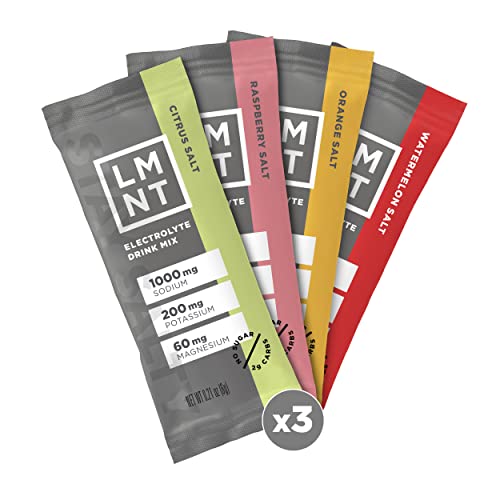
Electrolyte Drinks: If you have a fever or you’re sweating, this is where something like LMNT helps more than water.
Ginger Tea for Soothing Comfort
Ginger is one of those boring little kitchen things that actually works when you feel like absolute garbage. This is my fave, or you can make it fresh!

This mug’s got your back.
Big morning coffee? She’s got it.
Late-night tea? Done.
A little emergency wine? We don’t judge.
It’s glossy ceramic (the nice kind), sized for a real pour, and safe for both the microwave and dishwasher, because no one needs extra chores. Cute on your desk, cuter on your nightstand, and photogenic enough for your Instagram story.
✨ Solid, glossy ceramic — feels good and looks better
✨ Microwave + dishwasher safe — easy wins
✨ Simple but not basic — chic in every room
✨ Made to order — because you’re not one-size-fits-all
A tiny everyday upgrade you’ll actually use and love!
Ingredients:
1 thumb-sized piece of fresh ginger
2 cups of water
Honey (optional)
Lemon (optional)
How to Make Ginger Tea:
Peel and slice the ginger.
Boil it in water for about 10-15 minutes.
Strain the tea and add a squeeze of lemon and a dollop of honey for added flavor and health benefits. Honey is also known for its antibacterial properties and can soothe a sore throat.
Garlic: The Natural Antibiotic
Garlic is one of the few “grandma was right” remedies I still trust when my body starts doing that oh no we’re getting sick thing.
How to Use: Use raw or cooked garlic into your meals. Try roasting whole bulbs for a sweet, mellow flavor or adding minced garlic to soups and stews. If you're brave, chewing raw garlic can be effective, but try garlic supplements if it’s too strong.
PS: If you’re not into chomping raw garlic like a lunatic (same), here’s the garlic supplement I swear by when I feel something coming on. Shop My Favorite Garlic Capsules
Eat something with vitamin C if you can stomach it.
Oranges: A single orange can provide over 100% of your daily needs!
Strawberries: Packed with antioxidants and vitamins.
Kiwi: Not only delicious but also high in vitamin C and fiber.
Pineapple: Contains bromelain, which helps reduce mucus and inflammation. Pineapple juice can be really soothing for the throat.
Homemade Chicken Soup: Comfort in a Bowl
Chicken soup has been a go-to remedy for generations, and for good reason! You can find my Chicken Noodle Soup recipe here!
Oregano Oil:
Oregano oil is one of those things that tastes like you licked a pizza shop floor, but when something nasty is brewing in your body, it can actually help.
How to Use: Dilute a few drops of oregano oil in water, or you can take oregano oil capsules like I do. Just be prepared for the semi-pizza-flavored burps…
Peppermint Oil for Headaches
If you're experiencing headaches along with the flu, peppermint oil might help provide relief. The menthol in peppermint oil can also help clear nasal passages.
How to Use: Dilute peppermint oil with a carrier oil and apply it to your temples and neck. The cooling sensation can relieve tension and soothe headaches. Inhaling peppermint oil through steam inhalation can also help with sinus pressure.
Zinc Supplements
Zinc is one of the few supplements I actually bother with when I’m getting sick because it can shave a couple of miserable days off the whole situation.
How to Use: Consider taking zinc lozenges or supplements, especially at the first sign of flu symptoms.
Warm Salt Gargle for Sore Throat Relief
A warm saltwater gargle can effectively soothe a sore throat. This remedy can help reduce inflammation and kill bacteria.
How to Use: Mix 1 teaspoon of salt in a cup of warm water and gargle several times a day. This simple remedy can provide significant relief and is a staple in many households.
Echinacea for Immune Support
Echinacea is one of those old-school remedies people roll their eyes at until they’re desperate and suddenly willing to try anything that might shorten the misery.
How to Use: Brew echinacea tea using dried echinacea root or pre-packaged tea bags. Follow the instructions for steeping and enjoy a cup a few times daily. For convenience, echinacea can also be found in tinctures and capsules.
Vitamin D for Immune Function
Vitamin D is one of those boring health things that suddenly matters a lot more once you’re stuck inside all winter getting sick every five minutes.
How to Increase Your Intake: When possible, consider getting some sunlight exposure (safely), as this is one of the best sources of vitamin D. Fatty fish, fortified foods, and supplements are also great options, especially during winter when sunlight is scarce.
Elderberry Syrup
Elderberry has been used for centuries to combat colds and flu. Its antioxidant properties support the immune system and potentially shorten the duration of illness.
How to Use: Elderberry syrup can be found at health food stores or online. Follow the recommended dosage and consider incorporating it into your routine during flu season. Elderberry lozenges and gummies are also available for those who prefer a different form.
When to Seek Medical Attention
While home remedies can provide relief, it's essential to recognize when professional help is needed. If you experience any of the following symptoms, consult a healthcare professional:
Difficulty breathing or shortness of breath
Chest pain or pressure
Persistent or high fever that doesn't improve
Severe vomiting or dehydration
Symptoms that improve but then return with a fever or worsening cough
FAQ’s
1. What’s the fastest way to get over the flu naturally at home?
Speeding up flu recovery at home starts with three non-negotiables: sleep like it’s your job, stay hydrated with electrolytes (not just water), and eat nourishing foods that don’t irritate your system. Bonus points for garlic capsules, ginger tea, and warm bone broth.
2. Can you flush out the flu with fluids?
Not exactly, but hydration helps your body do the flushing. Water, herbal teas, and electrolyte drinks support mucus clearance, regulate your temp, and keep energy from tanking.
3. Does vitamin C actually help shorten the flu?
Vitamin C won’t cure the flu, but if you’re low in it, getting enough can support white blood cell function and help your body recover faster. Go for real food over powders. Citrus, kiwi, and strawberries are your immune system’s BFFs.
4. What should I eat when I have the flu and no appetite?
If food sounds gross, aim for simple, warm, easy-to-digest options. Chicken soup, mashed potatoes with ghee, or warm sourdough toast with honey can gently nourish you without upsetting your stomach. Now is not the time for raw salads or greasy takeout.
5. Is garlic really a natural flu fighter?
Yes, but only if it’s raw or minimally heated: allicin (its antiviral superstar compound) loses potency when cooked too much. Don’t worry, you don’t have to chew on a clove like a maniac. Garlic capsules or raw garlic mixed with honey are smarter (and less smelly) options.
6. How long does the flu usually last with home treatment?
With consistent rest and the right remedies, most people feel better in 5–7 days, but fatigue can linger. If you’re still dragging after day 10, or if symptoms get worse instead of better, it might be time to call in a pro.
7. Is oregano oil safe to take when you’re sick?
In small doses and short spurts, yes. Oregano oil is strong. Think of it as nature’s disinfectant. Stick to capsules or diluted drops, and take with food. Don’t go wild with it, or your stomach might protest.
8. What are the best herbal teas for flu recovery?
Chamomile for rest, peppermint for congestion, and ginger for inflammation. If you want to get fancy, throw in lemon balm or elderflower. Avoid green or black tea late in the day, they’re caffeinated and can mess with the sleep you desperately need.
9. Should you sweat out the flu or rest completely?
Old myth: “sweat it out.” New truth: rest wins. Fever already raises your body temp to fight the virus. Trying to layer on blankets or do a hot workout can dehydrate you and backfire. Cozy, yes. Overheat, no.
If you’re actually down bad
Being sick is miserable. There’s no way around that, but a few simple things can make the difference between a rough week and a nightmare. Remember that while these remedies can alleviate symptoms, they aren't a substitute for medical treatment when needed. Prioritize rest, stay hydrated, and listen to your body.
💬 Feeling like the flu steamrolled your week?
Sign up for my newsletter for the rest of my sick day survival secrets + product picks.